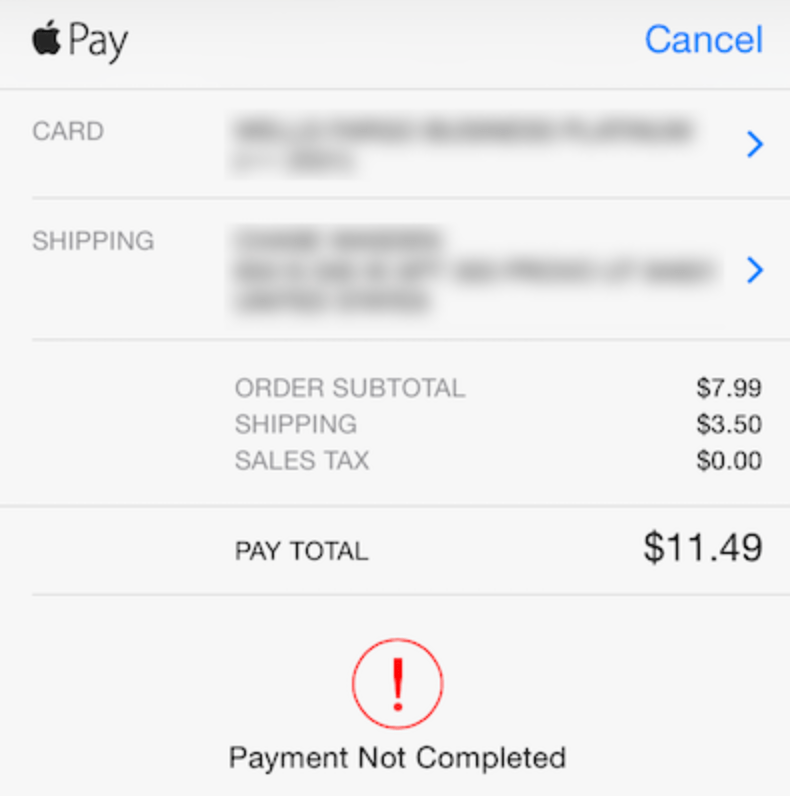
In recent years, the gambling industry has undergone significant transformation, particularly with the rise of mobile betting and digital wallets. Among these innovations, Apple Pay has emerged as a preferred payment option for many users, offering convenience and security. However, not all bookmakers have integrated this payment method into their platforms. In this article, we will explore the reasons why some Apple Pay bookies are not on board and what it means for bettors and the wider gambling landscape. This analysis draws on insights from various sectors, including the implications of regulated markets and consumer preferences. For more insights into safety in betting environments, visit the Apple Pay bookies not on GamStop IOSH Conference.
The Rise of Apple Pay in Online Betting
Launched in 2014, Apple Pay has quickly gained traction as a popular payment method among online consumers, including bettors. Its user-friendly interface allows players to make deposits and withdrawals swiftly and securely without the need to enter card details each time. According to recent statistics, a large percentage of online gamblers now prefer using digital wallets for their transactions, and Apple Pay stands out due to its robust security features, such as biometric authentication.
Benefits of Accepting Apple Pay
Bookmakers that have adopted Apple Pay benefit from enhanced user experience, speed of transactions, and improved conversion rates as players are more likely to complete their deposits with such a seamless payment process. Additionally, Apple Pay transactions typically come with lower fraud rates, giving bookmakers increased confidence in processing payments.
Why Some Bookies Are Not Onboard
Despite its numerous advantages, several high-profile bookmakers have yet to incorporate Apple Pay into their operations. The reasons for this are multifaceted:
1. Regulatory Constraints
In many jurisdictions, online gambling is heavily regulated, and the payment methods accepted by bookmakers must comply with these regulations. Some jurisdictions have strict rules about the types of digital wallets that can be used, which can limit the ability of bookmakers to offer Apple Pay as a choice. Compliance with these regulations requires significant investment and a fundamental understanding of the evolving legal landscape.
2. Technological Integration Challenges
Integrating Apple Pay into existing platforms can be complex and may require substantial technological adaptations. For some bookmakers, especially smaller or independent ones, these costs may outweigh the potential benefits. They might prioritize other improvements or payment options that are more in line with their current business model.
3. Existing Payment Relationships
Bookmakers often have established relationships with specific banking institutions or payment processors that may not support Apple Pay. Switching to Apple Pay could mean disrupting these relationships and incurring losses during the transition phase. Some bookies may also have exclusive agreements with payment providers, limiting their flexibility in adopting new payment methods.
4. Target Market Preferences
Different regions exhibit varying preferences for payment methods. While younger demographics may embrace Apple Pay readily, other segments of the betting population may prefer traditional methods such as bank transfers or credit card payments. Bookmakers closely analyze user data and may decide to cater to established preferences over adopting newer technologies.

Implications for Bettors
The absence of Apple Pay among certain bookies can have direct implications for bettors. For one, users that prefer the convenience and security of Apple Pay may choose to limit themselves to platforms that accept this paym

ent method, potentially reducing their betting options. Furthermore, a lack of digital wallet options generally shifts the focus towards bookmakers who are more progressive in their payment offerings.
Future Possibilities
As the market continues to evolve, one could speculate that the number of Apple Pay bookies will increase. With growing awareness regarding the need for fast and secure payment methods, bookmakers may eventually feel pressured to adopt Apple Pay to remain competitive. The trend in consumer preference is leaning heavily towards innovative payment solutions, and ignoring such changes could lead to a loss of market share for those who remain outdated in their offerings.
Conclusion
The presence of Apple Pay in the online betting industry is certainly advantageous for both bookmakers and bettors. However, the reluctance of some bookmakers to adopt this payment option reflects a broader set of challenges ranging from regulatory concerns to market preferences. For bettors, this means exercising diligence in choosing platforms that meet their payment preferences while staying informed about potential regulatory changes or advancements within the industry. As the gambling landscape shifts, it will be crucial for operators to adapt to consumer demands, including the seamless integration of modern payment solutions like Apple Pay.